
My Ex-Husband and I Divorced 14 Years Ago and Lost Touch – A Week After He Passed Away, His Mom Called and Said, 'Do You Really Have No Idea What He'd Been Doing for You All These Years?'
Sep 23, 2026



Every night, Harold fell asleep holding the same photograph of his late wife. But after I overheard what he whispered to her when he thought no one was listening, his upcoming birthday suddenly meant something different. What could we give a man who only wanted her back?
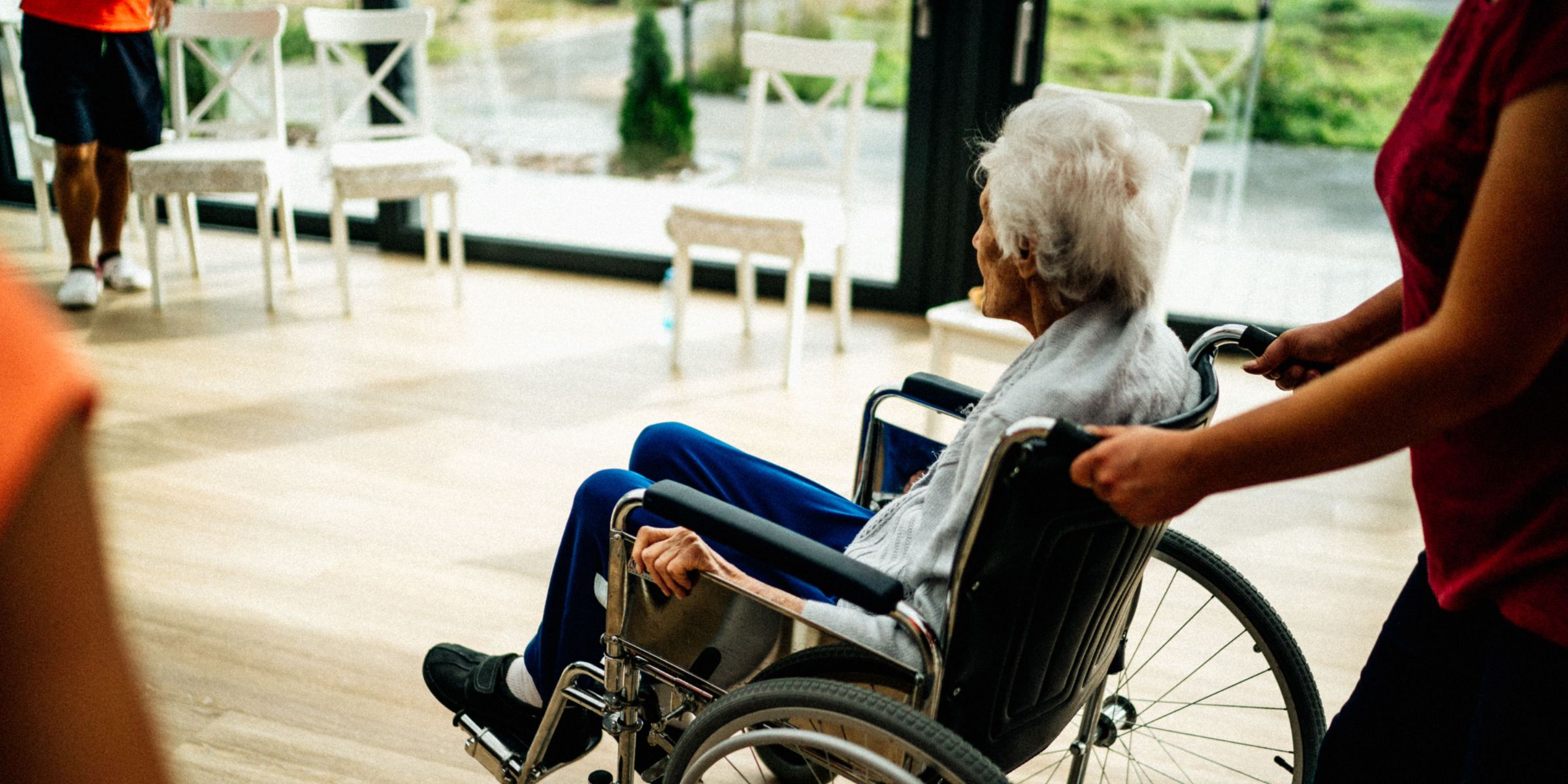
I work nights in a care home, and last month I picked up extra shifts because we were short-staffed.
That's how I started noticing just how much Harold had changed.
He'd been with us a little over a year.
His wife had died before he moved in, and after that, he'd struggled to manage their house alone.
Harold talked about her constantly.
Not in the way you might expect. He rarely told us how much he missed her.
Instead, he'd tell us that she couldn't parallel park to save her life, that she hummed while she cooked without realizing it, and that she'd once served him a completely burned anniversary dinner and insisted the black bits were "seasoning."
Her name was Margaret.
And every night, Harold slept with her photograph.
It was an old picture in a wooden frame, taken when they were both younger. Margaret was laughing at something outside the camera while Harold looked at her instead of the lens.
The staff all knew about it.
Every night, the frame went onto his chest or beside his pillow.
Lately, though, Harold had been getting frailer.
He moved more slowly. He tired earlier.
At meals, he pushed food around his plate and claimed he'd eaten more than he actually had.
His birthday was coming up, and several of us had been trying to think of something meaningful to give him.
Money made no sense.
We provided what he needed. There would be cake, of course, and a card signed by everyone.
But none of that felt particularly personal.
Then one night, I gave Harold his medication and went down the hall to help another resident.
When I came back, his door was open a crack.
Harold was already half asleep.
Margaret's photograph rested against his chest, held there with both hands.
"I wish I could hold you right now," he murmured. "I miss you so much."
I stopped outside his door.
He didn't know I was there.
For all the funny stories Harold told, I'd never heard him say anything like that.
I quietly pulled his door almost closed and left him alone.
I couldn't bring Margaret back.
But the next morning, I had an idea.
Harold was at breakfast when I went into his room with another staff member. We wanted to see whether the photograph could be copied and printed onto a small soft cushion he could hold safely in bed.
The frame itself was getting old, too. One corner had started separating, and we thought we might have the photograph professionally copied while keeping the original exactly as it was.
We had Harold's permission to handle the photograph for a birthday project, although we hadn't told him what we were making.
When we carefully opened the back of the frame, something surprised us.
There was writing on the photograph.
I saw only the first few words before realizing what it was.
Harold's name.
Written in blue ink.
I stopped.
"That's personal," I said.
Neither of us read further.
We photographed only the front, put everything back exactly as we'd found it, and returned the frame to Harold's room.
But now I had another question.
Did Harold know there was something written behind Margaret's photograph?
That afternoon, I found him sitting near a window.
"Can I ask you something about that picture of Margaret?"
He smiled. "You finally noticed I'm much better looking than I am now?"
"Obviously."
He laughed.
I asked how long he'd had it.
"Years. Margaret put it in that frame."
"You've never changed the frame?"
"No." His expression softened. "She picked it. Why would I?"
That answered my question.
Harold had no idea.
I didn't tell him what we'd found. I hadn't read the message myself, and it wasn't mine to reveal.
But the discovery changed the birthday idea.
A photograph you hold because someone is gone is one thing. A photograph containing words from that person that you've never read is something else entirely.
A few days later, I was in Harold's room while he looked through some belongings.
There was a thick notebook on his bedside table.
I'd seen it before but never paid much attention to it.
This time Harold noticed me looking.
"My masterpiece," he said.
"I was going to say grocery list."
"You'd be closer."
He opened it himself. The pages were covered in his handwriting.
Some entries were only a few sentences.
Margaret hated peas.
Margaret cried at weddings, including weddings of people she didn't like.
Margaret once reversed into their own trash cans and blamed Harold for putting them "in a stupid place."
I laughed.
"I've heard this one."
"I've told you that?"
"At least twice."
He looked embarrassed.
"Sorry."
"I didn't say I minded."
He turned another page.
There were dates, little descriptions, and names. Some memories were longer than others.
I assumed I understood.
"You're writing everything down so you don't forget."
Harold became quiet.
Then he shook his head.
"No. Not for me."
He closed the notebook.
"It's for Margaret's daughter."
I knew Margaret had a daughter, but Harold had almost never spoken about her.
"Your stepdaughter?"
He nodded.
Her name was Claire.
Harold had known her since she was young.
He never tried to replace her father, he explained, but he'd watched her grow up, taught her to drive, and walked her down the aisle when she got married.
Then something changed.
Years before Margaret died, she and her daughter, Claire, had a terrible argument.
Harold didn't give me every detail, and I didn't ask.
From what he said, it had started with Margaret criticizing a decision Claire had made about her own family.
Claire accused her mother of always needing to control everyone. Margaret said something cruel in return.
Both expected the other to apologize first.
Neither did.
"They were both champions at being stubborn," Harold said. "Could've gone professional."
He smiled, but there was no humor behind it.
He'd tried to repair things. Margaret always said she'd call Claire eventually. Claire occasionally asked him how her mother was but wouldn't speak to her directly.
Then Margaret became ill.
By the time Claire tried to come back, there wasn't much time left.
The mother and daughter did see each other before Margaret died, but years of hurt couldn't be repaired in a few visits.
After the funeral, Claire stayed in contact with Harold for a while.
Then the calls became less frequent.
Eventually, they stopped.
"Why don't you call her?" I asked.
Harold looked down at the notebook.
"She lost her mother. She doesn't need me reminding her of everything that went wrong."
"But you're writing this for her."
"That's different."
"How?"
He rubbed his thumb across the notebook's cover.
"I won't be here forever."
That was when I understood that Harold wasn't recording Margaret because he was afraid he'd forget her. He was afraid that when he died, the version of Margaret only he remembered would disappear too.
The woman who hummed over a saucepan.
The woman who couldn't park.
The woman who cheated at cards and denied it while everyone watched her do it.
"Does Claire know you're doing this?"
"No."
"Do you want her to?"
He didn't answer immediately.
"I don't know."
I thought about the photograph.
Then I thought about all those evenings when Harold had told us the same stories.
I'd assumed repetition was simply part of missing someone.
Maybe it was.
But perhaps Harold had also been keeping Margaret alive the only way he knew how.
I didn't push him.
A couple of days later, Harold brought it up himself.
"If someone were going to contact Claire," he said, "how would they do it?"
I sat beside him.
"Do you still have her number?"
He did.
It was written inside the notebook.
"Would you like help calling her?"
He stared at that number for a long time.
Then he nodded.
We made the call together.
I didn't speak for Harold. I just stayed nearby.
Claire answered.
The moment Harold heard her voice, he nearly hung up.
"Hello, love," he finally said.
There was silence.
Then I heard a woman's voice through the phone.
"Harold?"
He looked at me as though he'd forgotten every sentence he'd planned.
So I pointed at the notebook.
He swallowed.
"I've been writing some things down about your mum."
Another silence.
"I thought you might want them someday."
Claire asked what kind of things.
"Nothing important," Harold said.
I almost laughed.
He'd spent months filling that notebook because it was important.
He told her about the stories, the little things he remembered.
Then Claire asked something unexpected.
"Do you still have that photograph of her?"
Harold looked toward his bedside table.
"The one in the wooden frame?"
"Yes."
"Every night."
Her voice changed.
"I took that."
Harold sat straighter.
"You did?"
Claire explained that she'd taken the photograph during a family afternoon years earlier. Margaret had hated nearly every picture taken of her, but she'd loved that one because Harold wasn't looking at the camera.
"He was looking at you," Claire said her mother had told her.
Harold didn't say anything for several seconds.
Then he whispered, "I didn't know you took it."
They spoke for almost 20 minutes.
Claire didn't promise anything.
Neither did Harold.
But before they hung up, she asked when his birthday was.
He told her.
Afterward, he sat quietly with the phone in his lap.
"Well," he said eventually. "That wasn't fatal."
A week before his birthday, we finished the gift.
We made copies of several pages from Harold's notebook and arranged them with photographs he chose himself. We left plenty of blank pages at the back.
We also had the image of Margaret printed onto a small, soft cushion.
The original photograph remained untouched in its frame.
And still, nobody had read the words hidden behind it.
Harold's birthday arrived on one of my day shifts.
We decorated the common room, brought out a cake, and embarrassed him by singing.
He complained throughout the entire song.
"I've survived 84 years, and this is how you finish me off."
Then the door opened.
Harold stopped smiling.
Claire stood there holding a small gift bag.
She looked nervous.
So did he.
For a moment, neither moved.
Then Harold said, "Hello, love."
Claire crossed the room and hugged him.
It wasn't a movie reunion.
They didn't collapse into tears or suddenly erase years of distance.
The hug was brief and slightly awkward.
But when Claire pulled away, she kept hold of Harold's hand.
We gave them some space.
Later, Harold opened the book we'd made.
Claire sat beside him.
He turned through the pages slowly.
Then they reached the story about Margaret's parking.
Claire burst out laughing.
"That's not what happened."
Harold looked offended.
"Excuse me?"
"She didn't hit the trash cans because she couldn't park. She hit them because you were standing outside waving your arms and shouting directions at her."
"I was helping."
"You were making it worse."
"That's what your mother claimed."
"Because you were."
Harold looked around the room.
"You see what I've invited back into my life?"
Claire laughed again.
Then she picked up a pen from the table.
Under Harold's version of the story, she wrote something.
"What are you doing?" he asked.
"Correcting the historical record."
That was when the blank pages made sense.
Claire had memories Harold didn't.
Harold had memories Claire had never heard.
Neither of them was the last person carrying Margaret.
They could remember her together.
There was one more thing.
I brought Harold the soft cushion we'd made.
The moment he saw Margaret's face, he ran his fingers across it.
"Oh," he said.
That was all.
Then I placed the wooden frame beside him.
"We found something when we copied the photograph," I told him. "We didn't read it. I think you should."
He frowned.
Claire helped him open the back.
Harold lifted the photograph out.
For several seconds, he simply stared.
Then he started laughing.
"What?" Claire asked.
He handed her the picture.
She read the message aloud.
"Harold. If you're reading this because I've gone first, don't you dare sit around becoming a miserable old hermit. Let people fuss over you for once. You spent enough years fussing over me. Love you always. Margaret."
Claire covered her mouth.
Harold shook his head.
"Bossy woman."
His eyes had filled, but he was smiling.
"She knew you," Claire said.
"Unfortunately."
Claire leaned against his shoulder.
He looked at the photograph again.
Then he looked around the room at the staff, the residents, the cake, the book, and finally Claire.
"I suppose I've been caught," he said.
That evening, after most of the birthday excitement was over, Claire stayed for dinner.
Before leaving, she told Harold she'd come back the following week.
"I remembered another story," she said.
"Is it one where I come out looking good?"
"No."
"Then forget it again."
She kissed his cheek.
I was working that night, too.
When I checked on Harold before bed, the wooden frame was back on his bedside table.
The new cushion was beside him.
The memory book sat underneath his reading glasses, with Claire's handwriting already filling part of the first blank page.
Harold picked up the cushion and looked at Margaret's face.
"Not quite the same as holding her," he said.
"No," I said.
He nodded.
Then he smiled.
"But it's softer on the ribs."
I laughed and turned toward the door.
"Good night, Harold."
"Night."
Before I switched off the light, he called after me.
"Claire's coming Thursday."
"I heard."
"Apparently I've been telling that parking story wrong for 30 years."
"I suspected as much."
"Traitor."
I closed his door.
Harold still missed his wife.
Nothing we could give him was ever going to change that.
But Margaret's photograph no longer held only the woman he'd lost.
It had brought back someone who remembered her too.
So, here's the real question: If you were Harold, would you have reached out to Claire after so many years apart, or left the past alone?
If you enjoyed reading this story, here's another one you might like: A woman returned from a trip to discover her mother-in-law had changed the lock on her bedroom door. But when she was finally let inside, an unexpected discovery sparked accusations and sent her husband into a panic. What was he desperately searching for?

The information in this article is not intended or implied to be a substitute for professional medical advice, diagnosis or treatment. All content, including text, and images contained on byloTak.com, or available through byloTak.com is for general information purposes only. byloTak.com does not take responsibility for any action taken as a result of reading this article. Before undertaking any course of treatment please consult with your healthcare provider.
Sep 23, 2026

Sep 21, 2026
Jun 15, 2026
Sep 25, 2026

Sep 22, 2026

Oct 01, 2026

Sep 16, 2026

Oct 02, 2026
Sep 30, 2026

Sep 14, 2026

Aug 14, 2026