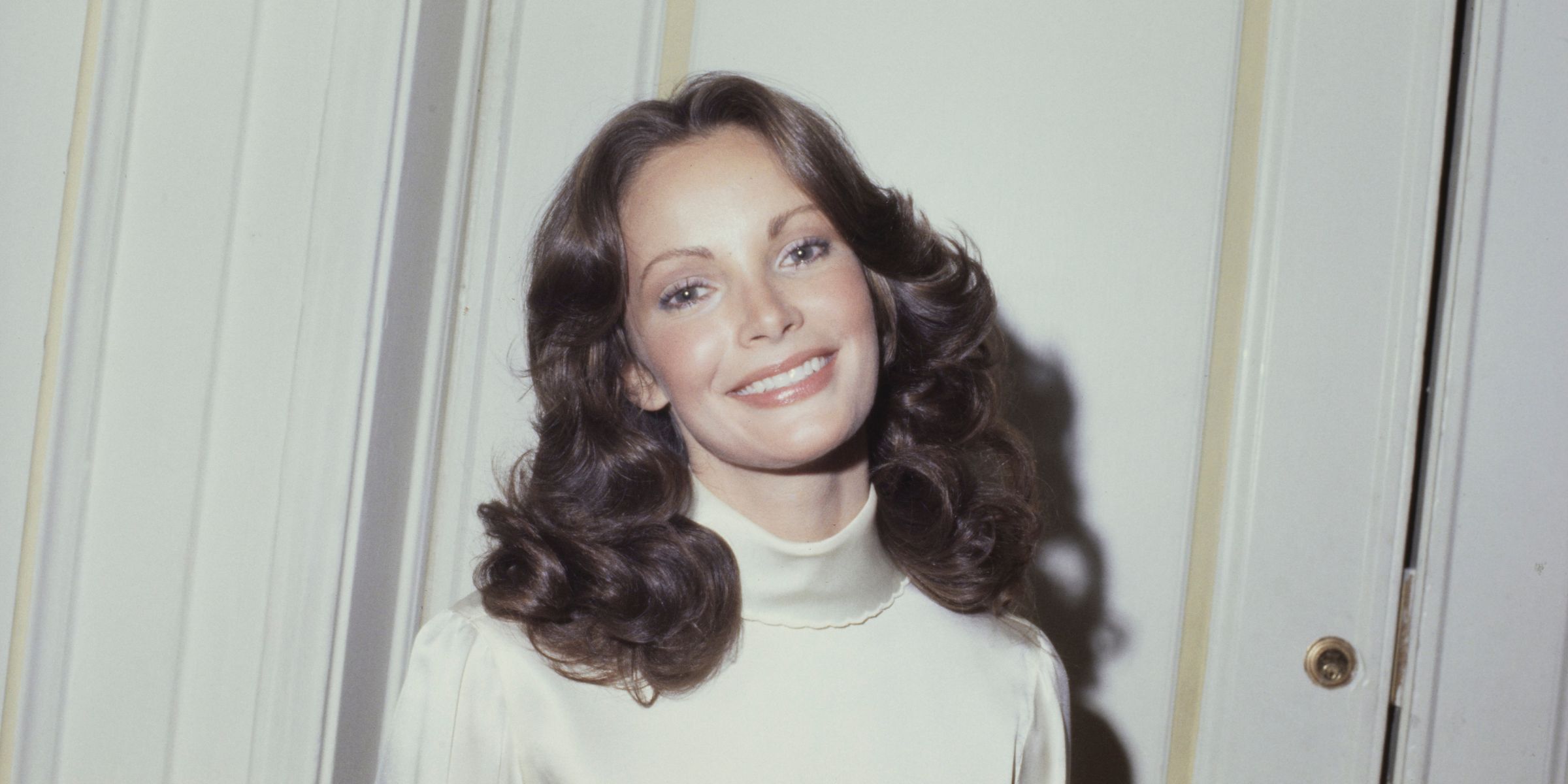


Mary Kay and Johnny Stearns as themselves in "Mary Kay and Johnny" | Source: Getty Images
What Remains of the First Ever American Sitcom May Surprise You
Sep 21, 2026 - 08:00 P.M.
Long before "I Love Lucy" became a cultural touchstone, a real-life married couple was already letting cameras into their home life. Their pioneering series broke ground in ways viewers wouldn't fully recognize for decades.
Advertisement
The very first American sitcom, titled "Mary Kay and Johnny," aired in November 1947, starring real-life couple Mary Kay and Johnny Stearns. The DuMont Television Network premiered the show in primetime, making it one of the earliest scripted series to run on American television.

Mary Kay and Johnny Stearns as themselves on "Mary Kay and Johnny" | Source: Getty Images
The series ran for an estimated 300 episodes, though the vast majority were never preserved.
Kinescopes — a method of recording live broadcasts onto motion picture film — weren't widely used before videotape recording arrived in 1951, and budget constraints meant only a handful of episodes were saved this way.
The situation grew worse in 1975, when most of DuMont's surviving 16 mm kinescopes were dumped into New York's East River as the company vacated its warehouse to make way for successor Metromedia.
Advertisement
As a result, only a single episode of "Mary Kay and Johnny" survives today, held by the Paley Center for Media in Los Angeles.

Mary Kay and Johnny Stearns as themselves on "Mary Kay and Johnny" | Source: Getty Images
Author Gary Berman revisits the show's improbable rise and fall in his new book, "100 Years of Laughter: American Comedy in the Twentieth Century," detailing key moments both on and off screen.
According to Berman, the couple had been married just a year when Mary Kay took an on-camera job that would change both their careers. The role was modeling for "J. J. Junior Dresses," a 15-minute weekly fashion program sponsored by dress manufacturer Jay Jossel.
Mary Kay showcased a few outfits per episode, discussed their details, and introduced short film segments while changing between looks.
Advertisement
The format struggled to attract viewers — largely, as Berman explains, because television sets at the time were only in a New York City bars, where audiences were mostly male and had little interest in fashion programming.
Advertisement
That's when Johnny suggested pivoting to a radio-style sitcom format, and Jossel agreed to the change. The revamped 15-minute episodes wove in ads for cosmetic products, and the shift paid off immediately: viewership climbed, and product sales followed.
The success gave rise to the fuller "Mary Kay and Johnny" format, built around real-life moments from the couple's marriage. Mary Kay played herself as, in Berman's words, "a perky, enthusiastic screwball," playing off Johnny's more "strait-laced" persona as a bank employee.
Advertisement
Johnny, who wrote every episode, later explained his approach to the material, saying, "If we portray ourselves, some people may not like us, but they wouldn't like us if they knew us. But if we're totally ourselves, people can't say they don't believe us."
"And so for that reason, we wrote very close to home, obviously dramatizing and going for gags and comedy, but keeping it on things that actually happened to us," he added.
Roughly six months into the show's run, real life handed Johnny his next storyline: the couple learned they were expecting their first child. Rather than write around it, he folded the pregnancy directly into the scripts.

Johnny Stearns as himself on "Mary Kay and Johnny" | Source: Getty Images
"Johnny simply wrote that into the scripts, making her the first pregnant female character on a TV series," Berman wrote. "They were also the first couple to share a bed on TV — three years before married couple Lucille Ball and Desi Arnaz could not on 'I Love Lucy.'"
Advertisement
The show's growing popularity caught the attention of Whitehall Pharmaceuticals, which agreed to sponsor a new half-hour version for NBC, filmed at the Rockefeller Center studios.

Life continued to shape the storylines: the couple welcomed son Christopher on December 19, 1948, and he too became part of the show, making his on-screen debut before he was even two weeks old.
Despite the show's success, Johnny began to feel the strain of writing full half-hour episodes on his own. He brought in additional writers to help, but found none could replicate the specific way he translated the couple's real experiences into scripts.
Advertisement
Seeking a better writing setup, Mary Kay and Johnny moved the show to CBS for part of 1949. The change didn't stick, and the series eventually returned to NBC, briefly reverting to the shorter 15-minute format before switching back to half-hour episodes soon after.
By March 1950, the toll of the workload had caught up with Johnny, and the couple made the decision to end the show for good.
Advertisement